
Course Logistics
Dates Winter 2027: Wednesday, January 13 to Tuesday, February 9, 2027 Grade Levels Supported: FILL Course Format: Online, asynchronous Professional Development Points (PDPs): 22.5 PDPs Graduate Credit: 1 optional graduate credit available ($180) with credit accreditation through Southern New Hampshire University Fee: $750 (contact us at [email protected] to enroll in the course using a Purchase Order)
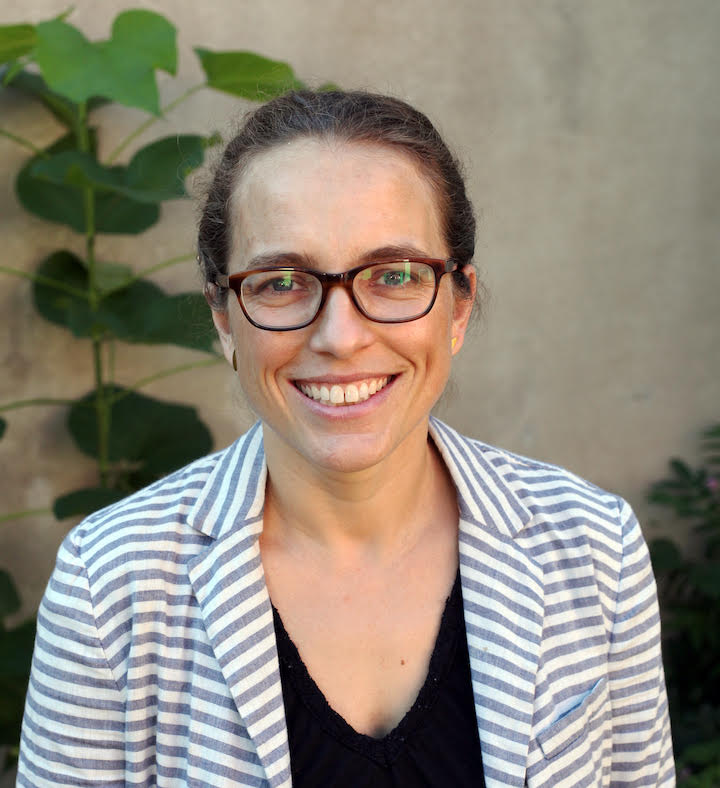
Frances Peace Sullivan
Frances Peace Sullivan is an Associate Professor of History at Berklee College of Music, specializing in Latin America and the Caribbean. Her work addresses transnational solidarity movements in the twentieth-century, with an emphasis on ant-imperialism and race-based mobilizations. Her book, Cuba’s Cosmopolitan Enclaves: Imperialism and Internationalism in Eastern Sugar Towns (University Press of Florida, 2025), tells the story of how sugar company towns along Cuba’s northeastern coast became major hubs of internationalist organizing in the 1920s and 1930s. Her work has also appeared in The New West Indian Guide, the Canadian Journal of Latin American and Caribbean Studies, and in edited volumes on Global Garveyism and Transnational Communism across the Americas. Professor Sullivan is an award-winning educator who has experience teaching courses on Latin American, Caribbean, and African Diasporic history, as well as on global solidarity movements, commodities in world history, insurgency and revolution in the Americas, and the Cold War in Latin America.
Massachusetts Standards & Professional Alignment
WHII: [T1.7f,g] The growing power of the U.S. and its economic and political impact on Central America & Caribbean; persistence of slavery in Cuba, Puerto Rico, & Brazil until the end of the 19th century; [T3.3] Impact of Western imperialism in Latin America; [T5.3d,f] the United States backing for the overthrow Arbenz in Guatemala (1954), Cuban Revolution and the Cuban Missile Crisis; [T5.5] The development and goals of nationalist movements in Central and South America & how one of these movements and its leader brought about decolonization and independence in the second half of the 20th century.
Course Overview
What our Educators are Saying
Join hundreds of educators across Greater Boston (and beyond!) who trust Primary Source for engaging, high quality professional development.
I have brought in so many resources, projects, and knowledge to the classroom because of these classes. My students have a richer, more intentional outlook on what we study.
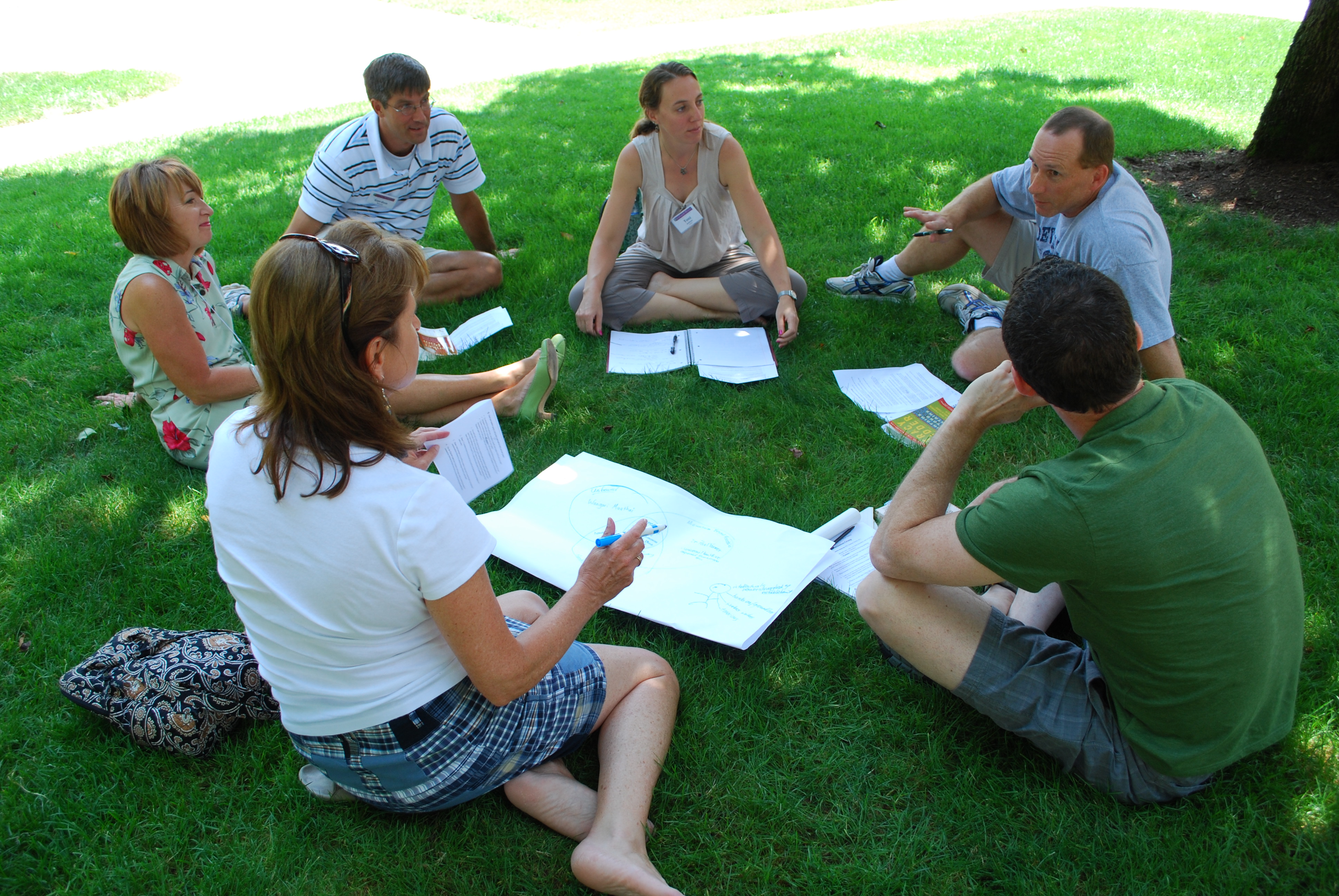
The access to these courses is such an asset. Within my department, I have taught several different curricula, and Primary Source has been such a resource for me to help me feel more comfortable with historical context for texts that are new to me.
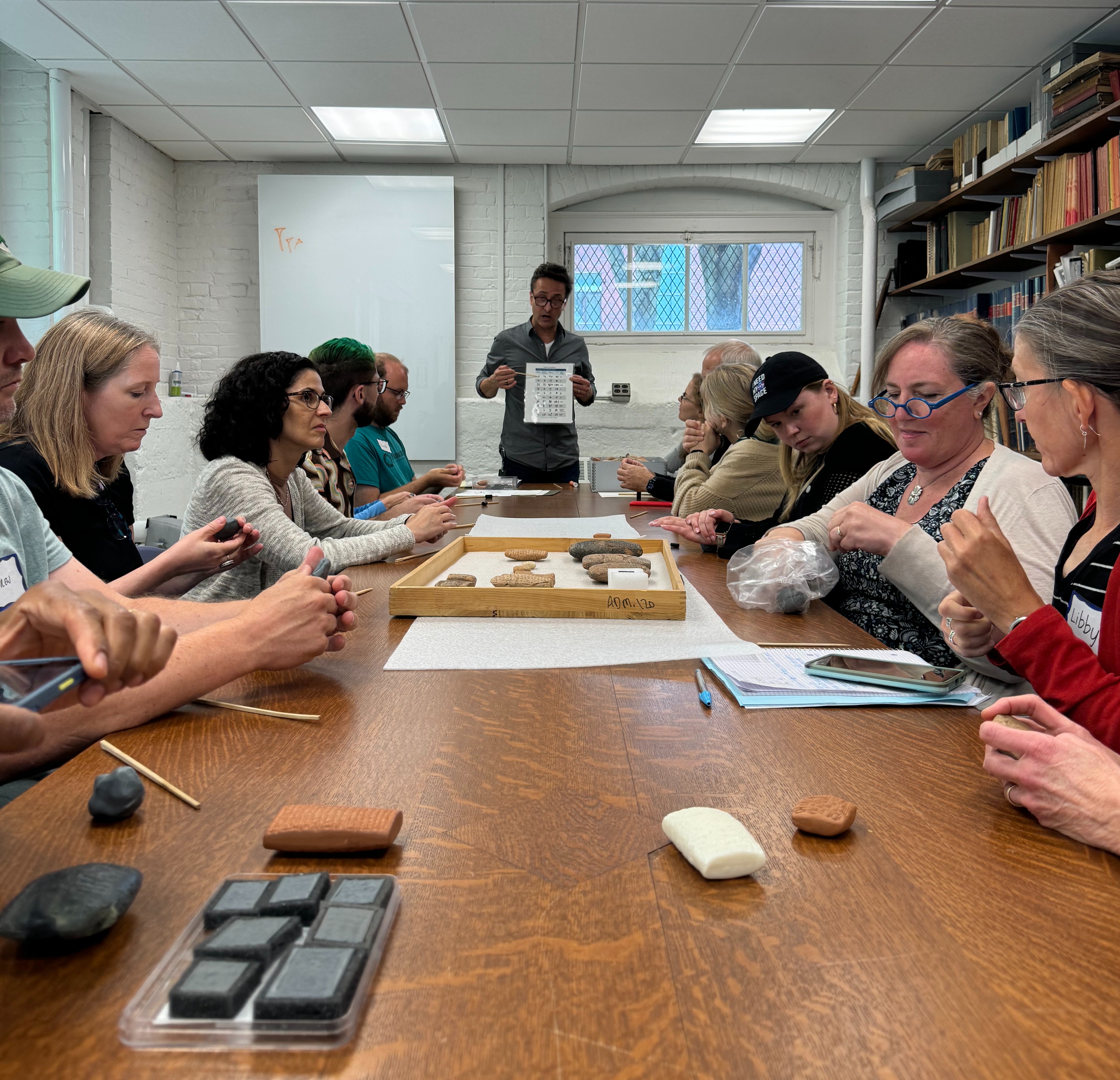
Primary Source programs have introduced me to a variety of perspectives along with concrete strategies of how to incorporate them into my classroom. I leave every session with a lesson that I can immediately implement.
I have brought in so many resources, projects, and knowledge to the classroom because of these classes. My students have a richer, more intentional outlook on what we study.
The access to these courses is such an asset. Within my department, I have taught several different curricula, and Primary Source has been such a resource for me to help me feel more comfortable with historical context for texts that are new to me.
Primary Source programs have introduced me to a variety of perspectives along with concrete strategies of how to incorporate them into my classroom. I leave every session with a lesson that I can immediately implement.
About Primary Source
Primary Source educates global citizens by working with teachers to foster students’ knowledge, skills, and dispositions for thoughtful and engaged citizenship. With our guidance and resources, teachers cultivate students’ civic-mindedness, cultural awareness, and global competence, preparing them for our increasingly diverse and interconnected world. We collaborate with teachers, schools, and educational organizations to offer professional development programs and resources that help make global, civics, and cultural education an integral part of every student’s classroom experience. Our engaging face-to-face and online programs, curriculum resources, and international study tours enhance global understanding, civic engagement, and cultural understanding, and help thousands of teachers every year bring the wider world to their students. To learn more, visit our homepage at primarysource.org!